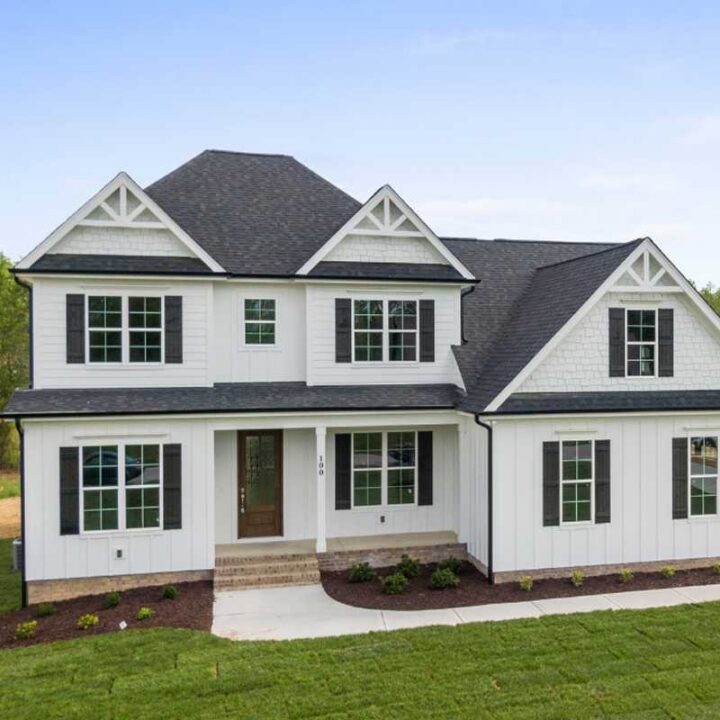
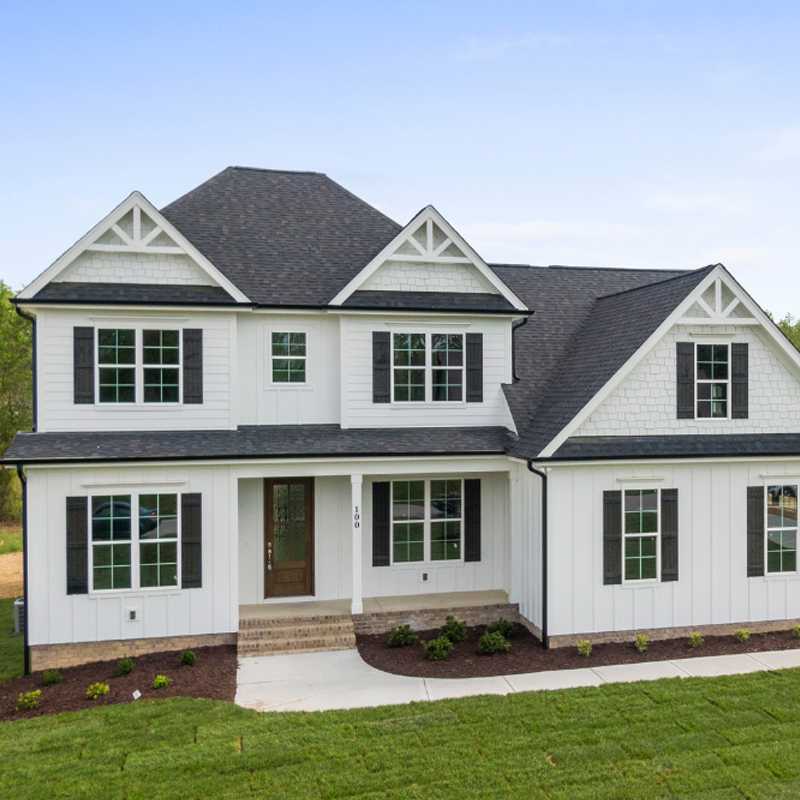
Replacing the siding on your home is one of those projects where the sticker shock can hit hard if you haven’t done your homework. For Omaha homeowners specifically, the question of how much James Hardie siding costs comes with some local wrinkles: Midwest labor rates, Nebraska’s brutal temperature swings, and the particular demands that hail season puts on exterior materials. The good news is that fiber cement siding from James Hardie has become one of the most popular choices in the metro area for good reason, and the pricing is more predictable than you might expect. But “predictable” doesn’t mean “simple.” The final number on your invoice depends on your home’s size, the product line you choose, how much old siding needs to come off, and which contractor you hire. This guide breaks down real cost ranges, compares Hardie products to alternatives, and flags the hidden expenses that catch homeowners off guard. If you’re budgeting for a siding project in the Omaha area this year, this is the pricing reality check you need before signing anything.
Average Cost Estimates for James Hardie Siding in Omaha
Getting a straight answer on siding costs can feel impossible because every contractor quotes differently, and online estimates often reflect national averages that don’t match Omaha’s market. The reality is that a full James Hardie siding installation in Omaha typically falls between $18,000 and $40,000+ for most single-family homes, with the wide range reflecting differences in home size, product selection, and project complexity. That said, breaking the numbers down by square foot and by home size gives you a much clearer picture of where your project might land.
Per Square Foot Pricing Breakdown
For materials alone, James Hardie fiber cement siding runs roughly $2.50 to $5.50 per square foot in the Omaha market, depending on the specific product line and finish. HardiePlank lap siding in a primed finish sits at the lower end, while ColorPlus factory-finished panels and specialty profiles like HardieShingle push toward the higher end.
Installation labor in Omaha typically adds another $4.00 to $8.00 per square foot. Fiber cement is heavier and more labor-intensive to install than vinyl, so the labor portion of your bill will be significant. Experienced crews need specialized cutting tools and dust management equipment, which factors into their pricing.
All-in, you’re looking at roughly $7.00 to $13.00 per square foot installed. Some contractors quote by the “square” (100 square feet), so don’t be confused if you see numbers like $700 to $1,300 per square on a bid. It’s the same math, just expressed differently.
Total Project Estimates for Typical Omaha Home Sizes
A 1,200-square-foot ranch with roughly 1,000 to 1,200 square feet of exterior wall space might cost $8,000 to $15,000 for siding materials and labor. This assumes a relatively straightforward installation without excessive trim work or architectural complexity.
A 1,800- to 2,200-square-foot two-story home, which is common in neighborhoods like Millard, Elkhorn, and West Omaha, typically runs $16,000 to $30,000 fully installed. Two-story homes require scaffolding and more labor hours, which bumps the price noticeably.
Larger homes in the 2,800- to 3,500-square-foot range can easily reach $30,000 to $45,000, especially with premium finishes and detailed trim packages. If your home has dormers, bay windows, or multiple gable ends, expect to be on the higher side of these estimates.
Factors Influencing Fiber Cement Pricing in the Midwest
The price you pay isn’t just about square footage. Product selection, finish type, and local market conditions all shift the final number in meaningful ways.
HardiePlank vs. HardieShingle Styles
HardiePlank lap siding is the workhorse of the James Hardie lineup and the most commonly installed product in Omaha. It comes in smooth and cedarmill textures, and its straightforward horizontal installation keeps labor costs reasonable. Most Omaha projects using HardiePlank fall in the $7.00 to $10.00 per square foot installed range.
HardieShingle panels mimic the look of cedar shake and are popular as accent siding on gable ends or as a design feature on Craftsman-style homes. They cost more per square foot, both in materials (typically $1.00 to $2.00 more) and installation time. A full HardieShingle installation can push costs 15 to 25 percent higher than a comparable HardiePlank project.
Some homeowners mix both styles, using HardiePlank on the main body and HardieShingle on accent areas. This is a smart way to get visual interest without blowing the budget on a full specialty installation.
ColorPlus Technology vs. Pre-Primed Options
James Hardie offers two finish paths. Pre-primed siding comes with a primer coat and needs to be painted after installation. ColorPlus Technology siding arrives with a factory-applied, baked-on color finish that carries a 15-year fade and peel warranty.
Pre-primed siding saves you $1.00 to $2.00 per square foot on the product itself, but you’ll need to budget $2,000 to $5,000 for professional painting after installation. ColorPlus eliminates that step entirely and provides a more durable finish, but the upfront material cost is higher.
For most Omaha homeowners, ColorPlus is the better long-term value. Nebraska’s freeze-thaw cycles and intense summer sun are tough on paint, and the factory finish holds up significantly better than field-applied paint over a 10- to 15-year window.
Local Labor Rates and Omaha Permitting Fees
Omaha’s siding installation labor rates have increased roughly 12 to 18 percent since 2020, driven by strong demand and a tight skilled-labor market. Experienced James Hardie installers in the metro area charge a premium because fiber cement requires specific training and certification. James Hardie maintains a preferred contractor program, and working with a certified installer often means paying a bit more per hour but getting better workmanship and warranty coverage.
Permitting in Omaha is relatively straightforward for siding replacement. The city typically requires a building permit for re-siding projects, with fees generally running $75 to $200 depending on project value. Your contractor should handle the permit process, and if they suggest skipping it, that’s a red flag.
Comparing James Hardie to Other Siding Materials
James Hardie isn’t the only option on the market, and understanding how it stacks up against alternatives helps you decide if the premium is justified.
James Hardie vs. Traditional Vinyl Siding
Vinyl siding is the budget-friendly default for many Omaha homes, with installed costs typically running $4.00 to $7.00 per square foot. That’s roughly half the cost of a comparable Hardie installation. For homeowners on a tight budget, vinyl’s affordability is undeniably attractive.
But the cost comparison doesn’t tell the full story. Vinyl warps and cracks in Nebraska’s extreme temperature swings, fades noticeably within 8 to 12 years, and offers minimal impact resistance during hail events. James Hardie fiber cement resists all three of these issues significantly better. From a resale perspective, real estate agents in the Omaha market consistently report that James Hardie siding adds more perceived value than vinyl, often recouping 70 to 80 percent of the installation cost at resale.
If you plan to stay in your home for 10 or more years, the math tends to favor Hardie. If you’re flipping a property or need the most affordable option possible, vinyl still has its place.
James Hardie vs. LP SmartSide Engineered Wood
LP SmartSide is the closest competitor to James Hardie in the Omaha market. It’s an engineered wood product treated with a zinc borate compound for moisture and pest resistance. Installed costs typically run $6.00 to $10.00 per square foot, making it slightly less expensive than Hardie in most cases.
LP SmartSide is lighter, easier to cut, and faster to install, which helps keep labor costs down. It also accepts paint beautifully and comes in a wide range of profiles. Some contractors prefer working with it because the installation process is more forgiving.
The trade-off is durability. While LP SmartSide performs well in many climates, fiber cement has a clear edge in moisture resistance over 20-plus year timescales. In a climate like Omaha’s, where driving rain, snow, and ice are annual realities, James Hardie’s cement-based composition gives it a longer expected lifespan with less maintenance.
Long-Term ROI and Performance in Nebraska Climates
The upfront cost of siding is only part of the equation. How a material performs over 20 to 30 years in Nebraska’s climate determines whether it was actually a good investment.
Resistance to Severe Storms and Hail Damage
Omaha sits squarely in hail alley. The metro area averages 3 to 5 significant hail events per year, and severe storms with 1-inch or larger hailstones aren’t unusual. James Hardie fiber cement siding holds up remarkably well against hail impact compared to vinyl, which cracks and dents easily, and even engineered wood, which can chip and splinter.
Fiber cement’s density and rigidity mean it absorbs impact without deforming. While extremely large hail can still cause damage, the threshold for visible damage is much higher than with other materials. Several Omaha insurance agents have noted that homes with fiber cement siding sometimes see lower exterior claims frequency, though individual policy impacts vary by carrier.
Energy Efficiency and Insulation Upgrades
James Hardie siding itself has a modest R-value, but the real energy efficiency gains come from what happens underneath it. A siding replacement project is the perfect time to add a layer of continuous foam insulation board beneath the new cladding. In Omaha, where winter temperatures regularly drop below zero and summer heat pushes into the 90s and 100s, adding even R-3 to R-5 of continuous insulation can meaningfully reduce heating and cooling costs.
Expect to pay an additional $1.00 to $2.50 per square foot for insulation board and the associated labor. Many homeowners report a noticeable difference in comfort and a 5 to 15 percent reduction in energy bills after combining new siding with insulation upgrades. The payback period on the insulation portion alone is typically 5 to 8 years.
Hidden Costs and Installation Considerations
The bid you receive for siding installation may or may not include several important line items. Asking about these upfront prevents ugly surprises.
Removal and Disposal of Existing Siding
If your home currently has one layer of vinyl or aluminum siding, removal and disposal typically adds $1,000 to $3,000 to the project. Some contractors include this in their per-square-foot pricing; others list it as a separate line item.
Homes with multiple layers of siding, or those with original wood clapboard underneath later additions, can cost more to strip. If asbestos-containing materials are present (common in homes built before 1980), you’ll need specialized abatement, which can add $3,000 to $8,000 depending on the scope. An experienced Omaha contractor will identify this during the initial inspection and factor it into the bid.
Don’t let a contractor install new siding over damaged or rotted sheathing. Proper prep work, including replacing damaged OSB or plywood, fixing moisture issues, and ensuring a solid substrate, is critical. This prep work can add $500 to $3,000 but prevents far more expensive problems down the road.
Trim, Soffit, and Fascia Integration
A common sticker-shock moment comes when homeowners realize that siding is only part of their home’s exterior envelope. Trim boards around windows and doors, soffit panels under eaves, and fascia boards along rooflines all need to be addressed during a siding project.
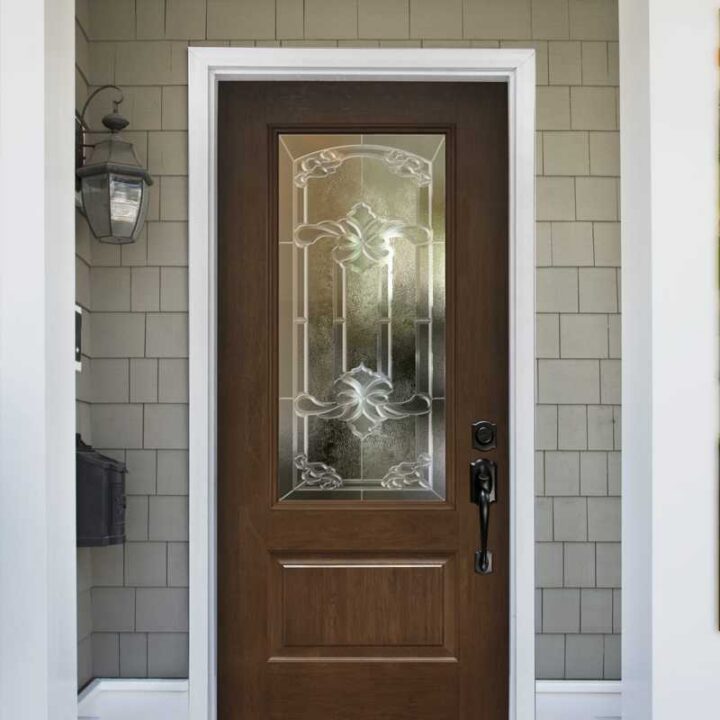
James Hardie manufactures HardieTrim boards specifically designed to match their siding products. Replacing all trim, soffit, and fascia with Hardie products can add $3,000 to $8,000 to a typical Omaha project. Some homeowners opt for aluminum-wrapped trim to reduce costs, which works fine but doesn’t provide the same aesthetic consistency.
Get clarity on what’s included in your bid. A quote that seems low might exclude trim, soffit, and fascia work entirely, which means you’ll either pay more later or end up with mismatched materials.
How to Find and Vet Omaha Siding Contractors
Choosing the right installer matters as much as choosing the right product. A poorly installed James Hardie system won’t perform to its potential and may void portions of the warranty.
Start by checking James Hardie’s contractor locator for their Elite Preferred and Preferred Remodeler designations in the Omaha area. These contractors have completed manufacturer training and meet specific volume and quality standards. That doesn’t automatically make them the best fit for your project, but it narrows the field to installers who know the product.
Get at least three detailed bids, and make sure each one breaks down materials, labor, prep work, trim, and disposal as separate line items. A lump-sum bid with no detail makes it impossible to compare quotes fairly. Ask each contractor for references from projects completed in the last 12 months, and actually call those references. Ask specifically about communication, timeline accuracy, and how the contractor handled any issues that came up.
Verify Nebraska contractor licensing, insurance coverage (both general liability and workers’ compensation), and check the Better Business Bureau and Google reviews for patterns. A single negative review isn’t disqualifying, but a pattern of complaints about unfinished work or poor communication is a serious warning sign.
Be cautious of bids that come in dramatically lower than others. In Omaha’s current market, a bid that’s 30 percent below the competition usually means the contractor is cutting corners on labor quality, skipping proper prep work, or planning to hit you with change orders mid-project.
The cost of James Hardie siding in Omaha is a significant investment, typically $18,000 to $40,000+ for most homes, but it’s one that pays dividends in durability, curb appeal, and peace of mind through Nebraska’s toughest weather. The key to a successful project is understanding the full scope of costs upfront, choosing the right product configuration for your budget and goals, and hiring a qualified installer who will do the job right. If you’re ready to move forward with a siding upgrade or want to explore your options with a team that knows exterior installations inside and out, get a free quote from Thermal King Windows. Their experience with siding, windows, and doors means you’ll get honest guidance tailored to your home and budget.