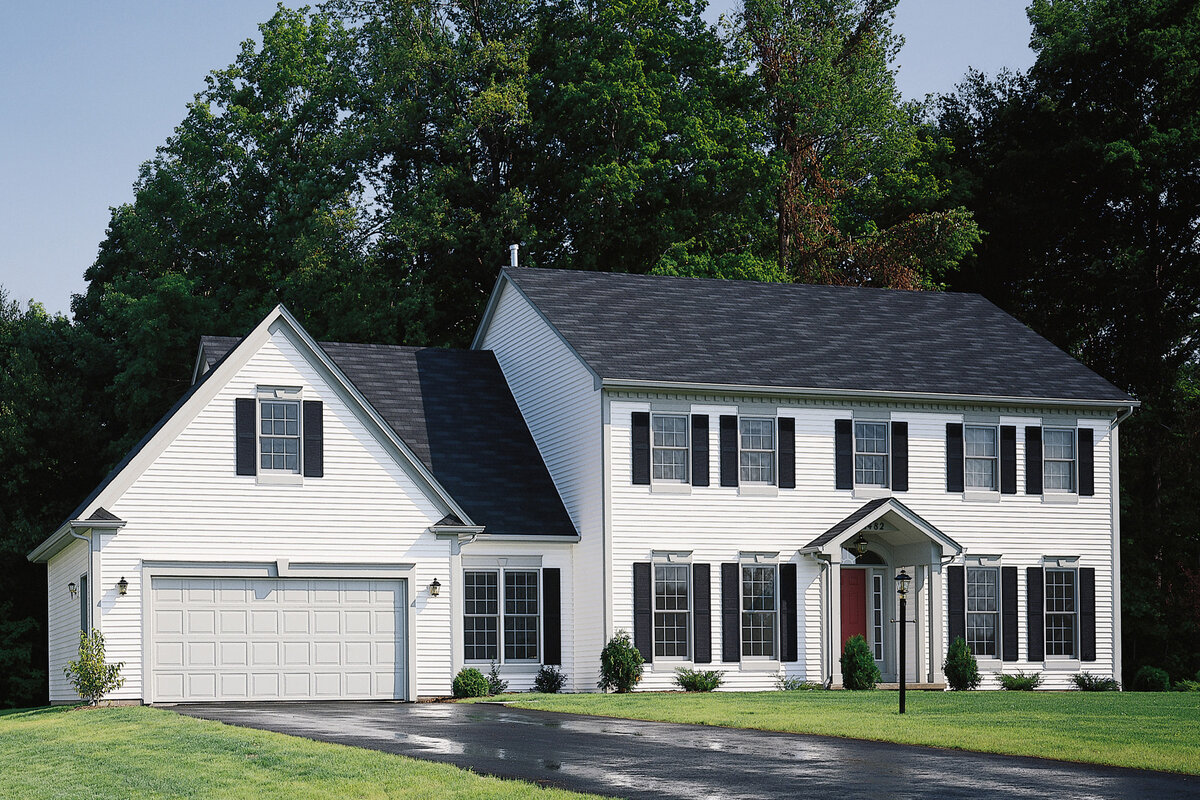
Choosing the right siding for your home isn’t just about looks. It’s about protection, durability, maintenance, and even energy efficiency. Yet, siding can be confusing-so many materials, styles, and installation methods. This guide tackles the most common questions homeowners ask, cutting through the jargon and giving you straightforward answers.
What are the most popular siding materials, and how do they compare?
When it comes to siding, the options can feel overwhelming. Here’s a quick breakdown of the most popular materials and what sets them apart.
Vinyl siding
Vinyl siding is the most widely used siding material in the U.S., accounting for over 30% of residential siding installations. It’s affordable, low-maintenance, and comes in a wide range of colors and styles. Vinyl doesn’t rot or need painting, making it a favorite for many homeowners. However, it can crack in extreme cold and may fade over time if exposed to harsh sunlight.
Fiber cement siding
Fiber cement is a composite material made from cement, sand, and cellulose fibers. It’s prized for its durability and resistance to fire, insects, and rot. Fiber cement siding can mimic wood grain convincingly and holds paint well, so colors stay vibrant longer. It’s heavier and more expensive than vinyl, and installation requires specialized tools and skills.
Wood siding
Wood siding offers timeless beauty and natural charm. Cedar and redwood are popular choices because of their resistance to decay and insects. Wood requires regular maintenance-painting or staining every few years-to protect it from moisture and UV damage. It’s more costly upfront and can be vulnerable to pests and rot if not properly cared for.
Metal siding
Metal siding, typically aluminum or steel, is durable and resistant to fire and insects. It’s often used in modern or industrial-style homes. Metal siding can dent easily, and aluminum may oxidize over time. It’s low-maintenance but can be noisier during rain or hailstorms. Steel siding is heavier but stronger and often coated to prevent rust.
Engineered wood siding
Engineered wood is made from wood fibers and resins, offering the look of natural wood with added durability and resistance to moisture and insects. It’s lighter than fiber cement and easier to install. While it’s more affordable than traditional wood, it still requires periodic painting or staining to maintain its appearance.
How do I choose the right siding for my climate?
Climate plays a huge role in siding performance. The wrong material can lead to costly repairs down the road.
Hot and sunny climates
In regions with intense sun and heat, such as the Southwest, siding needs to resist fading and warping. Fiber cement or engineered wood with UV-resistant paint are excellent choices. Vinyl can work but look for thicker panels with UV stabilizers to reduce fading. Metal siding may reflect heat but can get very hot to the touch.
Cold and snowy climates
Cold climates demand siding that can withstand freeze-thaw cycles without cracking or warping. Fiber cement and engineered wood perform well here. Vinyl siding can become brittle in extreme cold, so thicker, insulated vinyl options are preferable. Wood siding requires careful maintenance to prevent moisture infiltration and rot.
Humid and rainy climates
High humidity and frequent rain increase the risk of mold, mildew, and rot. Fiber cement and metal siding are top picks for these conditions due to their resistance to moisture. Vinyl siding also performs well but must be installed with proper ventilation to prevent trapped moisture. Wood siding is less ideal unless treated and maintained meticulously.
Wind-prone areas
If you live in a hurricane or tornado zone, siding must be impact-resistant and securely fastened. Fiber cement and metal siding are strong contenders. Vinyl siding should be installed with reinforced fasteners and may require thicker panels for wind resistance. Always check local building codes for specific wind rating requirements.
What are the costs involved in siding a house?
Budget is often the deciding factor when selecting siding. Understanding the full cost picture helps avoid surprises.
Material costs
Vinyl siding typically costs between $2 and $7 per square foot, making it the most budget-friendly option. Fiber cement ranges from $5 to $10 per square foot, reflecting its durability and aesthetic appeal. Wood siding can vary widely, from $6 to $12 per square foot, depending on the species and finish. Metal siding sits around $5 to $12 per square foot, depending on the type and gauge.
Installation costs
Labor can be 50% or more of the total siding project cost. Fiber cement and wood require skilled installers, which can push labor costs higher. Vinyl siding is easier and faster to install, often reducing labor expenses. Complex architectural details or multi-story homes will increase installation costs regardless of material.
Additional expenses
Don’t forget about removing old siding, repairing underlying damage, and adding insulation or moisture barriers. These can add $1,000 to $5,000 or more to your project depending on the condition of your home’s exterior. Also, factor in painting or staining if your chosen siding requires it.
How long does siding last, and what maintenance does it need?
The lifespan of siding varies widely by material and maintenance habits.
Vinyl siding
Vinyl siding can last 20 to 40 years. It requires minimal maintenance-usually just occasional washing with a garden hose or pressure washer to remove dirt and mildew. Avoid harsh chemicals and be cautious of cracking in cold weather.
Fiber cement siding
Fiber cement can last 30 to 50 years or more with proper care. It needs repainting every 10 to 15 years to keep it looking fresh and to protect the surface. Regular inspections for cracks or damage are important to prevent water intrusion.
Wood siding
Wood siding’s lifespan depends heavily on maintenance. With regular painting or staining and prompt repairs, it can last 30 to 50 years. Neglect can lead to rot, insect damage, and warping much sooner.
Metal siding
Metal siding can last 40 to 70 years. It’s low-maintenance but should be inspected for dents, rust spots, and loose panels. Cleaning with mild soap and water keeps it looking good, and occasional repainting may be needed for aluminum siding.
Engineered wood siding
Engineered wood typically lasts 25 to 40 years. It requires repainting or restaining every 5 to 10 years depending on exposure. Regular cleaning and inspections help prevent moisture damage.
Can I install siding myself, or should I hire a professional?
DIY siding installation can save money, but it’s not for everyone.
When DIY makes sense
If you have solid carpentry skills, the right tools, and a straightforward home exterior, installing vinyl or engineered wood siding yourself might be feasible. These materials are lighter and easier to handle. Small projects or partial siding replacements are also good candidates for DIY.
When to hire a pro
Fiber cement, wood, and metal siding often require specialized tools and techniques. Improper installation can lead to water damage, poor insulation, and voided warranties. Multi-story homes or complex architectural details add to the difficulty. Professionals bring experience, speed, and access to quality materials and fasteners.
What to look for in a siding contractor
Check for proper licensing, insurance, and references. Ask about experience with your chosen siding material. Get multiple quotes and detailed contracts. A reputable contractor will also provide a warranty on labor and materials.
How does siding impact energy efficiency?
Siding isn’t just a protective shell; it can help keep your home comfortable and reduce energy bills.
Insulated siding options
Some vinyl and fiber cement siding products come with factory-applied insulation, typically foam-backed panels. These can improve your home’s R-value and reduce heat loss or gain. Adding rigid foam insulation beneath siding is another effective option.
Reflective and light-colored siding
Light-colored siding reflects more sunlight, helping keep your home cooler in warm climates. Dark colors absorb heat, which might be beneficial in colder regions but increase cooling costs in summer.
Proper installation matters
Even the best siding won’t perform well if installed without proper air barriers, moisture barriers, and sealing around windows and doors. Gaps can lead to drafts and moisture problems that undermine energy efficiency.
How do I maintain and clean my siding?
Keeping siding clean and well-maintained extends its life and preserves curb appeal.
Routine cleaning
Most siding benefits from an annual wash. Use a garden hose or pressure washer on a low setting. Mild detergent mixed with water can help remove dirt, mold, and mildew. Avoid abrasive brushes or harsh chemicals that can damage the surface.
Inspect for damage
Look for cracks, warping, loose panels, or peeling paint. Address issues promptly to prevent water infiltration and pest problems. Caulk gaps around windows and doors as needed.
Painting and staining
Wood and fiber cement siding require periodic painting or staining. Choose high-quality exterior paint or stain designed for your material. Proper surface preparation is key-clean, sand, and prime before applying finish coats.
What are the environmental considerations when choosing siding?
Eco-conscious homeowners want siding that’s sustainable and low-impact.
Recyclability
Metal siding is highly recyclable, often made from recycled content. Fiber cement contains natural materials but is less recyclable due to its composite nature. Vinyl siding is made from PVC, which is challenging to recycle and can release toxins during production and disposal.
Energy efficiency
Insulated siding reduces energy consumption, lowering your carbon footprint. Adding insulation beneath siding further improves efficiency.
Longevity and waste
Long-lasting siding reduces the frequency of replacement and waste generation. Fiber cement and metal siding excel here. Wood siding is renewable but requires chemicals for preservation.
Manufacturing impact
Consider the environmental practices of manufacturers. Some companies prioritize sustainable sourcing, low emissions, and waste reduction.
How can I tell if my siding needs to be replaced?
Knowing when to replace siding can save money and protect your home’s structure.
Visible damage
Cracks, warping, holes, or missing panels are clear signs. Peeling paint or extensive mold and mildew growth also indicate problems.
Water damage
Look for soft spots, stains, or rot beneath siding. Moisture intrusion can lead to structural damage and mold inside walls.
Energy bills rising
Sudden increases in heating or cooling costs can mean your siding or insulation isn’t performing well.
Age of siding
If your siding is nearing the end of its expected lifespan (20-50 years depending on material), replacement might be more cost-effective than repairs.
Frequent repairs
If you’re constantly patching or repainting, it may be time to invest in new siding.
Final thoughts
Siding is a major investment that affects your home’s appearance, protection, and value. Understanding your options and asking the right questions helps you make informed decisions. Whether you prioritize cost, durability, aesthetics, or environmental impact, there’s siding that fits your needs. Take time to research, consult professionals, and plan carefully for the best results.
Have more questions on your siding replacement? Schedule your free consultation with the experts at Thermal King today!