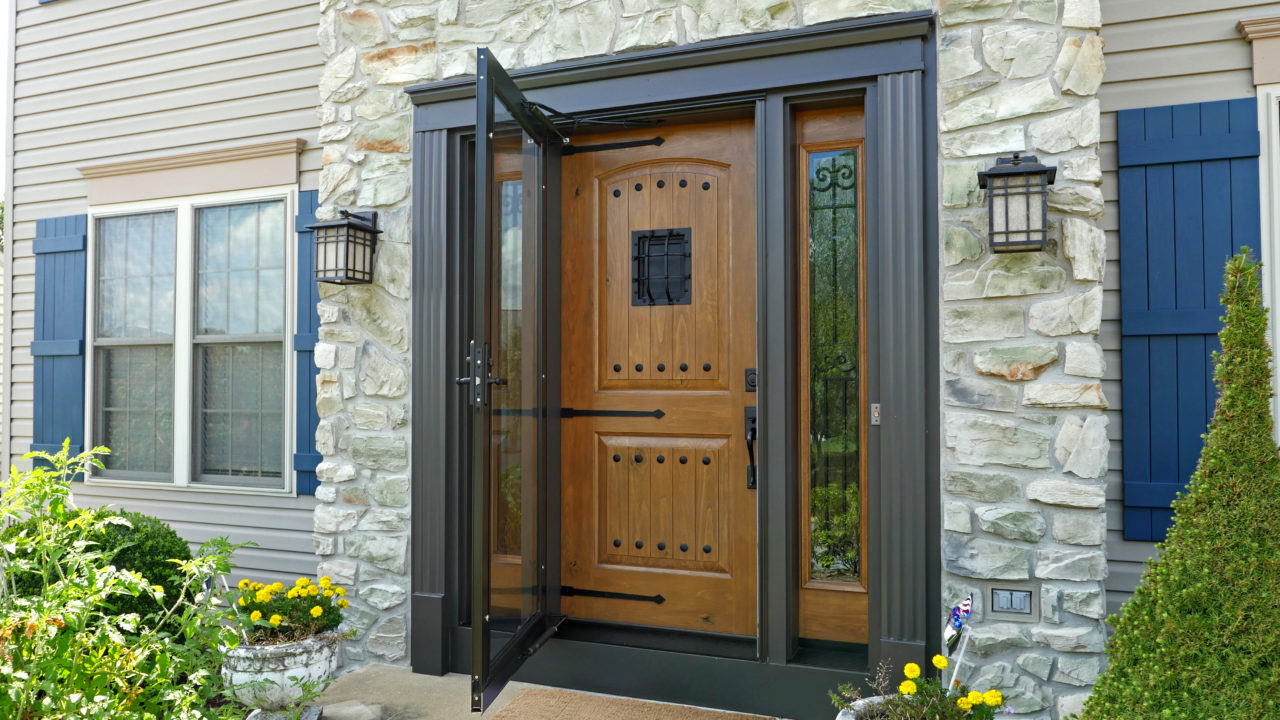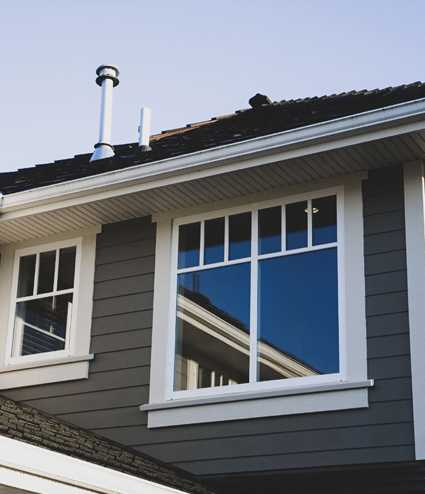
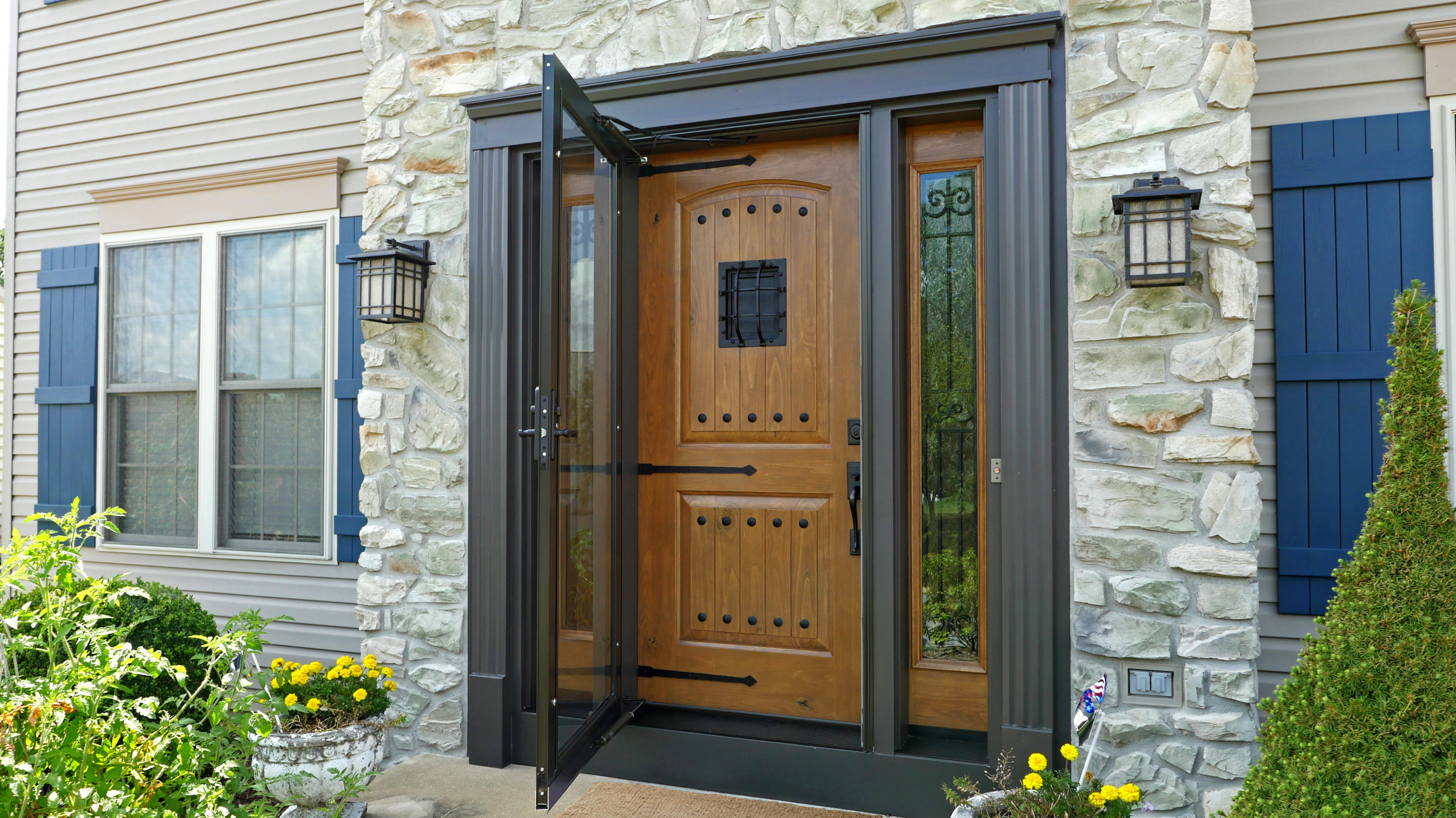
The front door is more than just an entryway to your home — it’s a statement piece that sets the tone for your entire house. Choosing the perfect front door color can enhance your home’s curb appeal, reflect your personality, and even influence your mood every time you come home. But with so many color options and styles available, how do you decide which one is right for you?
This comprehensive guide will walk you through the key considerations, from understanding color psychology to matching your door with architectural styles and neighborhood trends. By the end, you’ll be equipped with the knowledge and inspiration to pick a front door color that not only looks stunning but also feels just right.
Why Front Door Color Matters
The color of your front door is one of the first things visitors notice. It plays a crucial role in your home’s overall appearance and can even impact its perceived value. According to a study by Zillow, homes with bold-colored front doors, such as red or blue, tend to sell faster and at a premium compared to those with neutral-colored doors.
Beyond aesthetics, the front door color can express your personality and set the mood for your home. For example, a bright yellow door might evoke feelings of happiness and warmth, while a deep navy blue can convey calmness and sophistication. The choice of color can also reflect the architectural style of your home; a Victorian house might look stunning with a rich burgundy door, while a modern home could benefit from a sleek black or white entrance.
The Psychological Impact of Door Colors
Colors influence emotions and perceptions. Here’s a quick rundown of popular front door colors and the feelings they tend to evoke:
- Red: Bold, energetic, and welcoming. Often associated with good luck and protection in many cultures.
- Blue: Calm, trustworthy, and serene. Blue doors can create a peaceful entryway.
- Yellow: Cheerful, optimistic, and inviting. A yellow door can brighten up a gloomy day.
- Green: Balanced, natural, and refreshing. Green doors often symbolize growth and harmony.
- Black: Elegant, sophisticated, and timeless. Black doors add a touch of luxury and formality.
- White: Clean, simple, and classic. White doors convey purity and simplicity but may require more upkeep.
Understanding how color affects mood can help you choose a door color that complements your lifestyle and the ambiance you want to create. Additionally, the choice of color can also be influenced by the surrounding environment. For instance, if your home is nestled in a lush green landscape, a vibrant door color can stand out beautifully against the natural backdrop, making your home more inviting. Conversely, in urban settings, a bold color can serve as a striking contrast to the often monochromatic palette of city life, making your home a beacon of individuality.
Moreover, the finish of the paint can also play a significant role in how the color is perceived. A glossy finish can reflect light and enhance the vibrancy of the color, while a matte finish can create a more subdued and sophisticated look. This choice can further influence the overall aesthetic and feel of your home’s entryway, allowing you to tailor the appearance to your personal taste and the message you wish to convey. Whether you opt for a classic hue or a trendy shade, the front door remains a canvas for creativity and self-expression.
Consider Your Home’s Architectural Style
Every architectural style has colors that naturally complement its design elements. Selecting a front door color that harmonizes with your home’s style will enhance its character and curb appeal.
Traditional Homes
For Colonial, Victorian, or Craftsman-style homes, classic and rich colors work best. Deep reds, navy blues, hunter greens, and black are popular choices that emphasize the timeless nature of these styles. For example, a deep red door on a Colonial home can evoke a sense of tradition and warmth. Additionally, incorporating decorative elements such as brass hardware or a vintage-style door knocker can further enhance the traditional aesthetic, creating a cohesive look that draws the eye and invites guests into your home.
Modern and Contemporary Homes
Modern homes often feature clean lines and minimalist designs, so bold, solid colors or even unexpected hues like bright orange or teal can make a striking statement. Matte finishes also complement modern aesthetics well, giving the door a sleek, understated look. Pairing these vibrant colors with geometric patterns or frosted glass panels can add an extra layer of sophistication, allowing the door to serve as both a functional entryway and a work of art that reflects contemporary design trends.
Cottage and Farmhouse Styles
These homes benefit from soft, welcoming colors such as pastel blues, sage greens, or warm yellows. These hues enhance the cozy, inviting feel typical of cottage and farmhouse designs. To further accentuate this charm, consider adding decorative elements like a rustic wreath or potted plants on either side of the door. These touches not only enhance the overall aesthetic but also create a warm and inviting atmosphere that beckons visitors to come inside and enjoy the comforts of home.
Mid-Century Modern
Mid-century homes often pair well with vibrant colors like mustard yellow, burnt orange, or turquoise. These retro tones highlight the era’s playful and innovative spirit. In addition to color, the use of unique door shapes or materials, such as wood with a natural finish or metal accents, can enhance the mid-century modern vibe. Incorporating elements like a stylish door mat or modern lighting fixtures can also help to create a cohesive look that celebrates the distinctive characteristics of this architectural style.
Match Your Door Color with Your Home’s Exterior Palette
To create a cohesive look, it’s essential to consider the colors of your house’s exterior when choosing a front door color. The door should either complement or provide a tasteful contrast to the main façade.
Analyzing Existing Colors
Start by examining your home’s primary exterior color, trim, and roofing. For example, if your house is painted a neutral beige with white trim, a bold door color like navy or red can add personality without clashing.
On the other hand, if your home already features vibrant colors, a more subdued door color might be the better option to avoid overwhelming the eye.
Using the Color Wheel
The color wheel is a helpful tool for selecting harmonious or contrasting colors. Here are some strategies:
- Complementary Colors: Colors opposite each other on the wheel create vibrant contrast. For example, a blue door on an orange-toned house.
- Analogous Colors: Colors next to each other on the wheel offer a more subtle, harmonious look. For example, a green door on a blue house.
- Monochromatic Scheme: Different shades of the same color can create a sophisticated and cohesive appearance.
Consider Neighborhood Context
While it’s important to express your personal style, it’s also wise to consider the neighborhood’s overall aesthetic. A door color that’s too outlandish might look out of place or even affect your home’s resale value. Observing the colors of neighboring homes can provide valuable guidance.
Practical Considerations for Front Door Color
Besides aesthetics, practical factors should influence your choice to ensure your front door color remains beautiful and functional over time.
Climate and Sun Exposure
Colors react differently to sunlight and weather conditions. Dark colors tend to absorb heat, which might cause warping or fading in hot climates. Conversely, light colors reflect heat but may show dirt and grime more easily. If your door faces direct sunlight for most of the day, consider UV-resistant paints and finishes to maintain color vibrancy.
Maintenance and Durability
Some colors and finishes require more upkeep than others. Glossy finishes are easier to clean but may show scratches more readily. Matte finishes hide imperfections but can be harder to clean. Also, consider the type of paint—oil-based paints tend to last longer on exterior doors but take longer to dry, while latex paints dry faster and are easier to clean up.
Material of the Door
Wood, metal, fiberglass, and composite doors each interact differently with paint. Wood doors absorb paint and may need priming, while metal doors require paint that resists rust. Fiberglass doors often come pre-finished but can be painted with the right preparation.
Testing and Finalizing Your Choice
Once you’ve narrowed down your options, it’s crucial to test your chosen colors in real-world conditions before committing.
Get Samples and Paint Swatches
Purchase small samples of your favorite colors and paint patches directly on the door or on large boards placed next to it. Observe how the colors look at different times of day and under various lighting conditions.
Consider Seasonal Changes
Colors can look different depending on the season. A color that looks warm and inviting in summer sunlight might seem dull in winter’s gray light. Testing over several weeks can help you make a more informed decision.
Visualize with Online Tools
Many paint companies offer online visualization tools where you can upload a photo of your home and digitally apply different door colors. While not a substitute for physical samples, these tools can help you explore options quickly.
Popular Front Door Colors and Their Impact
To provide inspiration, here are some trending front door colors and why homeowners love them:
Classic Red
Red remains a timeless choice that adds warmth and energy. It’s especially popular in traditional and Colonial-style homes. Red doors are said to symbolize welcome and good fortune in many cultures.
Deep Navy Blue
Navy blue offers a sophisticated alternative to black. It pairs well with white or gray exteriors and conveys calmness and reliability.
Sunny Yellow
Yellow doors are cheerful and eye-catching. They work well with neutral-colored homes and add a burst of personality without overwhelming.
Forest Green
Green doors blend beautifully with natural surroundings and are perfect for homes with lots of greenery or rustic elements.
Matte Black
Black doors are sleek and modern, offering a dramatic contrast to lighter-colored homes. Matte finishes add a contemporary edge.
Soft Pastels
Colors like pale blue, mint green, or blush pink are gaining popularity for their subtle charm, especially on cottages and coastal homes.
Additional Tips for a Stunning Front Door
Choosing the perfect color is just one part of creating a welcoming entryway. Here are some extra tips to elevate your front door’s impact:
Coordinate with Hardware
Door handles, knockers, and house numbers should complement your door color. For example, brass hardware pairs beautifully with navy or black doors, while brushed nickel suits lighter colors.
Consider Seasonal Decor
Your door color can be a backdrop for wreaths, planters, and other decorations. Neutral or classic colors offer versatility, while bold colors make decor pop.
Lighting Matters
Good lighting highlights your front door and enhances its color. Consider installing sconces or overhead lights that flatter your door’s finish and color.
Reliable Front Door Replacement In Kansas City
Thermal King has served the Kansas City community for over two decades. We’re a top-rated Kansas City door replacement company and are proud of the accolades we’ve earned from our customers!
Thermal King has high-quality entry doors, sliding glass doors, bifold doors and more! Our experienced team of installers offer top-notch installation to ensure your new front doors look and function great. It’s important to understand that choosing the right installer is just as important as choosing the right door.
If you’re ready to get started on your door replacement, we’d love to see if we’d be a good fit for your project. Contact us today to set up your free, no-hassle consultation.