
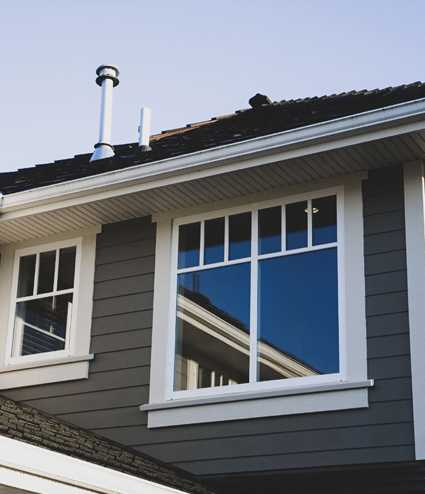
Have you ever noticed a peculiar green tint on your windows? This phenomenon can be puzzling and may lead to concerns about the quality of your windows or the safety of your home. Understanding the reasons behind this greenish hue can help you address the issue effectively and restore clarity to your view. In this article, we will explore the various factors that contribute to windows appearing green, from the type of glass used to external environmental influences.
Understanding Glass Types
The type of glass used in windows can significantly affect their appearance. Different glass formulations can result in varying color tints, including green. Most commonly, the green tint is a result of iron content in the glass.
The Role of Iron in Glass
Standard float glass, which is widely used in windows, contains iron oxide. This compound can give the glass a greenish hue, especially when viewed from certain angles or in specific lighting conditions. The higher the iron content, the more pronounced the green tint will be. This is particularly noticeable in thicker glass panes, where the depth of the material amplifies the color effect. Interestingly, the presence of iron not only influences the color but also plays a role in the glass’s overall strength and durability. This makes it a crucial component in the manufacturing process, as it balances aesthetic qualities with functional performance.
Low-E Glass and Its Effects
Low-emissivity (Low-E) glass is another common type used in energy-efficient windows. While it is designed to reflect heat and UV rays, some Low-E coatings can also contribute to a green appearance. The reflective properties of these coatings can interact with light in ways that create a greenish tint, especially when sunlight hits the glass at certain angles. Moreover, Low-E glass is often treated with a microscopic layer of metal oxide, which enhances its thermal performance. This innovative technology not only helps in reducing energy costs by maintaining indoor temperatures but also minimizes glare and UV damage to furniture and fabrics. As a result, homeowners can enjoy a comfortable living space while preserving the vibrancy of their interiors.
Other Factors Influencing Glass Color
In addition to iron content and Low-E coatings, other factors can influence the color of glass. For instance, the manufacturing process itself can introduce variations in tint. The melting temperature, the type of raw materials used, and even the cooling process can all impact the final appearance of the glass. Furthermore, additives such as cobalt or selenium can be incorporated to produce specific colors or enhance the clarity of the glass. These variations allow architects and designers to select glass that not only meets functional requirements but also complements the overall aesthetic of a building, creating a harmonious blend of form and function.
Environmental Factors
Beyond the type of glass, various environmental factors can influence the color of windows. These include the surrounding landscape, weather conditions, and even the time of day.
Surrounding Landscape
The environment surrounding your home can play a crucial role in how your windows appear. For instance, if your house is surrounded by lush greenery or bodies of water, the reflections from these elements can cast a green hue on your windows. This is particularly true during sunny days when sunlight bounces off the foliage or water, creating a vibrant reflection that can alter the perceived color of the glass. Moreover, urban settings can present a stark contrast; buildings and pavement may reflect a cooler, more muted palette, which can influence the overall aesthetic of your windows. The materials and colors of nearby structures can create a dynamic interplay of light and shadow, further affecting how your windows are perceived from both inside and outside.
Weather Conditions
Weather can also impact the appearance of windows. On overcast days, the lack of direct sunlight can cause colors to appear muted or altered. Additionally, rain can create reflections that change the color of the glass, making it seem greener than it typically would. Furthermore, condensation on the windows can trap dirt and debris, which can also contribute to a greenish tint. Seasonal changes can also play a significant role; for example, during autumn, the vibrant colors of falling leaves can reflect off the glass, creating a warm, inviting glow. In contrast, winter’s stark, white landscape can make windows appear more transparent or even bluish, as the cold light interacts with the glass surface.
Time of Day
The time of day can dramatically affect how your windows look. During sunrise and sunset, the angle of the sun can create unique lighting conditions that may enhance or diminish the green tint. The warm, golden light of the early morning or late afternoon can soften the appearance of the glass, while the bright midday sun may intensify any existing colors. Additionally, as twilight approaches, the transition to artificial lighting can create a dramatic effect, with indoor lights reflecting off the glass and altering its perceived hue. This interplay between natural and artificial light can add depth and dimension to the window’s appearance, making it a fascinating subject for photographers and designers alike.
Cleaning and Maintenance
Sometimes, the green appearance of windows can be attributed to dirt, grime, or algae buildup. Regular cleaning and maintenance are essential to ensure that windows remain clear and free of discoloration. Not only does this enhance the aesthetic appeal of your home, but it also allows more natural light to enter, creating a brighter and more inviting atmosphere. Furthermore, maintaining clean windows can prolong their lifespan, as accumulated dirt and organic growth can lead to more significant damage over time.
Common Cleaning Solutions
To effectively clean your windows, a mixture of water and vinegar is a popular and eco-friendly solution. This combination can help remove dirt and grime without leaving streaks. For tougher stains, a commercial glass cleaner may be necessary. Always ensure that the cleaning solution is appropriate for the type of glass you are using to avoid damage. Additionally, consider using microfiber cloths or newspaper for wiping, as these materials can help achieve a streak-free finish. If you’re looking for a more sustainable option, there are also numerous DIY recipes available that incorporate natural ingredients like lemon juice or baking soda, which can enhance the cleaning power while being gentle on the environment.
Preventing Algae Growth
If your windows are in a shaded area or near a body of water, they may be prone to algae growth. Algae can create a green film on the glass, making it appear discolored. To prevent this, consider trimming back any overhanging branches or foliage that may be contributing to the moisture and shade. Additionally, using a squeegee regularly can help keep windows clean and free from buildup. Installing window screens can also be beneficial, as they can reduce the amount of debris that settles on your windows. Furthermore, if you notice persistent algae issues, applying a biocide specifically designed for algae control can be an effective measure. This proactive approach not only keeps your windows looking pristine but also helps maintain the overall health of your home’s exterior surfaces.
Window Frame Materials
The material of your window frames can also influence how the glass looks. Different frame materials can reflect light in various ways, potentially contributing to the overall appearance of the window.
Vinyl and Aluminum Frames
Vinyl and aluminum frames are common choices for modern windows. These materials can reflect sunlight differently than traditional wood frames, which may enhance or diminish the green tint of the glass. For instance, dark-colored frames can absorb more heat and light, which may alter the perceived color of the glass, especially in bright sunlight. Additionally, aluminum frames are often favored for their durability and low maintenance, making them an appealing option for homeowners looking for longevity. However, it’s important to consider the thermal performance of aluminum, as it can conduct heat, potentially leading to higher energy costs if not properly insulated.
Wood Frames and Their Impact
Wood frames, while often more aesthetically pleasing, can also affect how windows appear. The natural colors and textures of wood can create a warm ambiance that may soften the green tint of the glass. However, if wood frames are not properly maintained, they can lead to moisture buildup, which may contribute to discoloration over time. Furthermore, wood frames offer excellent insulation properties, which can enhance energy efficiency in homes. The ability to paint or stain wood frames also allows for customization, enabling homeowners to match their windows to their personal style or the architectural features of their home. This versatility can be a significant factor in the overall design scheme, adding character and charm to both traditional and contemporary settings.
Addressing the Issue
If the green tint on your windows is bothersome, there are several steps you can take to address the issue. Identifying the root cause is crucial in determining the best approach.
Assessing the Type of Glass
If the green tint is due to the type of glass used, it may be worth considering replacement options. Upgrading to clearer glass or Low-E glass with a different coating may help reduce the green appearance. Consulting with a professional can provide insights into the best options for your home.
Improving Lighting Conditions
Improving the lighting conditions around your windows can also help mitigate the green tint. Adding outdoor lighting or strategically placing mirrors can enhance the natural light entering your home, making the windows appear clearer. Additionally, ensuring that your home is well-lit during the day can help reduce the impact of reflections from the surrounding environment.
When to Seek Professional Help
In some cases, the green tint on windows may indicate a more significant issue. If the discoloration is accompanied by condensation between the panes or if the windows are fogging up, it may be time to seek professional help.
Signs of Window Failure
Windows that exhibit signs of failure, such as condensation or fogging, often require replacement. This is typically due to a broken seal that allows moisture to enter the space between the panes. If you notice these signs, it’s important to address them promptly to avoid further damage to your windows and home.
Consulting a Window Specialist
Consulting a window specialist can provide valuable insights into the condition of your windows. They can assess the type of glass, frame materials, and overall installation to determine if repairs or replacements are necessary. Additionally, they can offer advice on maintenance and cleaning techniques to keep your windows looking their best.
High Quality Replacement Windows in Kansas City
Thermal King has helped Kansas City homeowners find the perfect windows for their home and budget for over two decades. We’re a top-rated Kansas City window replacement company and are proud of the accolades we’ve earned from our customers.
Ready to replace your windows with a contractor you can trust? Thermal King offers high quality window replacement and has a large selection of windows — including highly rated windows from Marvin and Provia.
If you’re ready to get started on your window replacement, we’d love to see if we’d be a good fit for your project. Contact us today to set up your free, no-hassle consultation.