Choosing a new entry door is one of those decisions that seems straightforward until you start researching options. Suddenly you’re comparing materials, insulation ratings, price points, and finishes, and the whole thing feels more complicated than it should. Fiberglass has quietly become one of the most popular door materials on the market, yet plenty of homeowners still have questions about how it stacks up against wood or steel, what kind of maintenance it needs, and whether the investment actually pays off.
If you’ve been looking for reliable fiberglass door questions and answers, this is the resource you need. Below, you’ll find practical guidance on everything from durability and energy performance to installation, finishing, and long-term cost. No fluff, no filler – just the stuff that actually helps you make a smart decision.
Understanding the Benefits of Fiberglass Doors
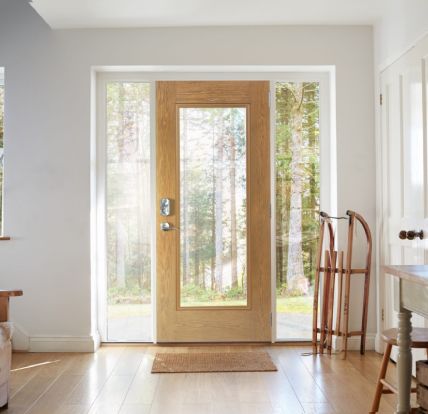
Fiberglass doors are made from a composite material that consists of glass fibers embedded in resin. The result is a door that mimics the look of real wood grain while offering performance characteristics that natural wood simply can’t match. Most fiberglass entry doors use a polyurethane or polystyrene foam core sandwiched between two fiberglass skins, which gives them both structural integrity and impressive thermal performance.
The reason fiberglass has gained so much ground over the past two decades comes down to versatility. You get the aesthetic appeal of a traditional wood door without the headaches of warping, cracking, or rotting. And unlike steel, fiberglass won’t dent if your kid launches a baseball at it. That combination of beauty and resilience is hard to beat, which is why fiberglass now accounts for a growing share of residential door sales across the country.
Durability and Resistance to Weathering
Fiberglass is inherently resistant to moisture, which means it won’t swell in humid summers or shrink during dry winters. This is a massive advantage for homeowners in regions with dramatic seasonal shifts. A wood door in Kansas City, for instance, can start sticking in its frame by July and develop gaps by February. A fiberglass door holds its shape year-round.
UV resistance is another strong point. Quality fiberglass doors come with factory-applied finishes that resist fading from sun exposure. While no material is completely immune to the effects of prolonged UV, fiberglass holds its color and finish far longer than painted wood. Most manufacturers back their fiberglass doors with warranties ranging from 10 years to a lifetime, which tells you something about how confident they are in the material’s longevity.
Fiberglass also resists rust and corrosion. If you live near the coast or in an area where road salt is common, this matters more than you might think. Steel doors can develop rust spots around the edges within a few years, but fiberglass stays clean and intact.
Energy Efficiency and Insulation Properties
The foam core inside a fiberglass door is the real hero here. Polyurethane foam, which is the more common option in premium doors, has an R-value roughly five to six times higher than wood per inch of thickness. That translates to significantly less heat transfer through your door, keeping your home warmer in winter and cooler in summer.
A typical fiberglass entry door achieves an R-value between 5 and 7, depending on the thickness and core material. Compare that to a solid wood door, which usually lands around R-2 to R-3, and the difference becomes clear. Steel doors with foam cores can approach similar numbers, but the steel skins themselves conduct heat, creating thermal bridging that reduces overall performance.
For homeowners focused on energy bills, the door itself is only part of the equation. Weatherstripping quality, threshold design, and proper installation all affect how well any door performs. But starting with a fiberglass door gives you a strong foundation to build on.
Comparing Fiberglass to Wood and Steel
This is where most homeowners get stuck. All three materials have loyal advocates, and the “best” choice depends entirely on your priorities. Here’s how they actually compare in the areas that matter most.
Maintenance Requirements vs. Natural Wood
Wood doors are beautiful. There’s no denying that. But they demand attention. A solid wood entry door needs to be refinished every one to three years, depending on its exposure to sun and weather. Skip that maintenance, and you’ll see peeling, cracking, and eventually rot. In humid climates, wood doors can also develop mold or mildew if moisture gets trapped in the grain.
Fiberglass requires almost none of that. A well-made fiberglass door can go years between touch-ups. If you’ve stained or painted it, you might need to refresh the finish every five to eight years, but that’s a fraction of the upkeep wood demands. Cleaning is simple: soap, water, and a soft cloth handle most dirt and grime.
The time savings alone make fiberglass attractive to busy homeowners. If you love the look of a rich mahogany or cherry grain but don’t want to spend weekends sanding and sealing, fiberglass gives you that appearance without the commitment. Modern fiberglass doors have gotten remarkably good at replicating natural wood textures, to the point where many people can’t tell the difference from a few feet away.
Security Features and Dent Resistance
Steel doors have long been considered the gold standard for security, and there’s some truth to that. A 20-gauge steel door is extremely difficult to kick in. But fiberglass isn’t far behind, especially when paired with a solid frame, quality deadbolt, and reinforced strike plate.
Where fiberglass pulls ahead is in dent resistance. Steel doors dent. It happens from normal life: groceries bumping against the surface, kids playing too close, hail during a storm. Once a steel door is dented, fixing it is difficult and often impossible without replacing the entire skin or door. Fiberglass, on the other hand, flexes on impact and returns to its original shape. It takes a significant force to cause permanent damage.
For break-in resistance, the door material matters less than most people think. The weak point in almost every forced entry is the door frame and lock hardware, not the door panel itself. Investing in a reinforced frame and high-quality lock set does more for security than choosing one door material over another.
Installation and Customization Options
Getting the right door is only half the battle. How it’s installed and what options you choose can make or break the final result.
Standard Sizes and Custom Fitting
Most fiberglass doors come in standard residential sizes: 36 inches wide by 80 inches tall is the most common single-door configuration. Double doors typically measure 72 inches wide. Standard heights of 80 and 96 inches cover the vast majority of homes.
If your home has a non-standard opening, custom sizing is available from most major manufacturers, though it adds to both cost and lead time. Expect to wait four to eight weeks for a custom-sized fiberglass door, compared to a few days for a standard size pulled from stock. Custom orders also tend to cost 20 to 40 percent more than their standard counterparts.
One thing to watch for during installation: fiberglass doors are lighter than steel but heavier than hollow-core wood doors. A standard fiberglass entry door weighs between 50 and 80 pounds, which means the hinges and frame need to be properly rated for the load. A poorly hung door will sag over time, causing alignment issues with the latch and deadbolt.
Glass Inserts and Decorative Hardware
Glass inserts are where fiberglass doors really shine in terms of curb appeal. Options range from small sidelights to full-length glass panels, and the decorative glass styles available today are impressive. You can choose from clear, frosted, textured, or stained glass designs, many of which include zinc or brass caming for a traditional look.
Decorative hardware is another area where you have plenty of room to personalize. Handle sets come in finishes like oil-rubbed bronze, satin nickel, matte black, and polished brass. Matching your hardware to other exterior fixtures like porch lights and house numbers creates a cohesive look.
One practical consideration with glass inserts: they reduce the door’s overall insulation value. A full-light fiberglass door (one with glass covering most of the surface) won’t perform as well thermally as a solid panel. If energy efficiency is your top priority, opt for a door with smaller glass panels or choose inserts with low-E coated, argon-filled glass to minimize heat transfer.
Finishing and Maintenance Best Practices
Can You Paint or Stain Fiberglass?
Yes, and this is one of the biggest advantages of the material. Fiberglass doors accept both paint and stain, giving you the flexibility to match virtually any color scheme or wood tone.
For painting, use a high-quality exterior latex or acrylic paint. Lightly sand the surface with 320-grit sandpaper first to help the paint adhere, then apply a primer designed for fiberglass. Two coats of paint over the primer give you the most durable finish. The whole process takes about a day, including drying time between coats.
Staining is where fiberglass gets interesting. Because the door surface has a molded wood-grain texture, gel stains settle into the grain pattern and create a remarkably realistic wood appearance. Gel stains work better than liquid stains on fiberglass because they sit on the surface rather than soaking in. Apply the stain with a brush, then use a rag to wipe and blend until you achieve the tone you want. Finish with two coats of exterior-grade polyurethane to protect the stain from UV and moisture.
Cleaning Tips for Longevity
Keeping a fiberglass door looking good requires minimal effort. A twice-yearly cleaning with mild dish soap and warm water removes most accumulated dirt and pollen. Avoid abrasive cleaners, steel wool, or anything with harsh chemicals, as these can damage the finish.
For stubborn spots like tree sap or bird droppings, a bit of rubbing alcohol on a soft cloth works well without harming the surface. If your door faces south or west and gets heavy sun exposure, applying a coat of automotive wax once a year adds a layer of UV protection and keeps the finish looking fresh.
Check the weatherstripping during your cleaning routine. Worn or compressed weatherstripping is the most common cause of drafts around fiberglass doors, and replacing it is a simple, inexpensive fix that takes about 30 minutes.
Common Troubleshooting and Repairs
Fixing Scratches and Surface Imperfections
Minor scratches on a painted fiberglass door are easy to address. Clean the area, lightly sand with fine-grit sandpaper, and apply touch-up paint that matches your door’s color. For deeper scratches that go through the gel coat, you can use an automotive-grade filler designed for fiberglass. Apply the filler, let it cure, sand it smooth, and repaint.
Stained doors are a bit trickier because matching the original stain color and grain pattern requires more finesse. Your best approach is to sand the damaged area lightly, re-apply gel stain, and blend it into the surrounding finish. Practice on an inconspicuous area first if you’re not confident in your technique.
Cracks in fiberglass are rare but can happen from severe impact. Small cracks can be repaired with a fiberglass repair kit available at most hardware stores for under $20. Larger cracks or structural damage usually mean it’s time for a replacement, though this is uncommon with normal residential use.
Cost Analysis and Long-Term Value
For homeowners weighing all these fiberglass door questions and answers, the takeaway is clear: fiberglass offers the best balance of aesthetics, performance, and long-term value for most residential applications. It’s not the cheapest option upfront, but it pays for itself through reduced maintenance and energy savings.
If you’re ready to upgrade your entry door or have more questions about what’s right for your home, the team at Thermal King Windows has been helping Kansas City homeowners with door, window, and siding installations for years. Get a free quote and see what a new fiberglass door could do for your home’s comfort and curb appeal.