Windows are more than just openings to the outside world; they are vital architectural elements that influence a building’s aesthetic, energy efficiency, and overall ambiance. As design philosophies evolve and technology advances, window design trends continually shift to meet modern demands. From sustainability to smart technology integration, the latest trends in window design reflect a blend of style, function, and innovation.
Embracing Energy Efficiency and Sustainability
One of the most significant drivers behind contemporary window design is the increasing focus on energy efficiency and environmental responsibility. With global awareness about climate change and rising energy costs, homeowners and architects alike prioritize windows that contribute to sustainable living.
High-Performance Glazing Technologies
Modern windows often feature advanced glazing technologies such as double or triple glazing, low-emissivity (Low-E) coatings, and gas fills like argon or krypton between panes. These innovations dramatically reduce heat transfer, helping to keep interiors warm in winter and cool in summer. According to the U.S. Department of Energy, energy-efficient windows can reduce heating and cooling costs by 12% to 33%, making them a smart investment for both new builds and renovations.
Low-E coatings, in particular, reflect infrared light while allowing visible light to pass through. This means windows can provide natural daylight without the accompanying heat gain, enhancing comfort and reducing reliance on artificial climate control. Furthermore, many manufacturers are now exploring dynamic glazing options that can adjust their tint in response to sunlight, providing an additional layer of comfort and efficiency. This technology not only optimizes energy use but also enhances the aesthetic appeal of a home, allowing for a seamless blend of functionality and design.
Eco-Friendly Frame Materials
Beyond glass technology, the choice of frame materials plays a crucial role in sustainability. Traditional materials like aluminum, while durable, have high embodied energy. In contrast, newer options such as fiberglass, wood composites, and recycled vinyl offer better thermal performance and a smaller environmental footprint.
Wood frames, especially those sourced from sustainably managed forests, are prized for their natural insulation properties and aesthetic warmth. Fiberglass frames combine strength with low maintenance, resisting warping and expanding less than vinyl or wood. These materials also contribute to LEED certification points, appealing to environmentally conscious builders and homeowners. Additionally, the rise of innovative materials like thermally broken aluminum frames provides a balance of durability and energy efficiency, ensuring that modern windows can withstand the elements while minimizing heat loss. As the demand for sustainable building practices grows, the window industry continues to evolve, offering a plethora of eco-friendly options that cater to both performance and environmental stewardship.
Maximizing Natural Light and Views
Natural light is a cornerstone of healthy, inviting interiors. Recent window design trends emphasize larger, unobstructed glass surfaces that flood rooms with daylight and connect indoor spaces with the outdoors. The benefits of natural light extend beyond mere illumination; it can significantly enhance the overall ambiance of a space, making it feel more open and welcoming. Furthermore, the strategic placement of windows can help regulate indoor temperatures, reducing reliance on artificial heating and cooling systems, thus promoting energy efficiency.
Floor-to-Ceiling and Picture Windows
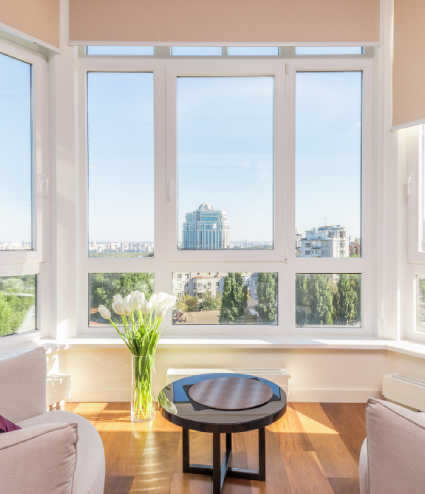
Floor-to-ceiling windows have surged in popularity, especially in urban apartments and modern homes. These expansive glass panels create a seamless transition between interior and exterior, providing panoramic views and enhancing the sense of space. Picture windows, which are fixed and do not open, are often used to frame specific outdoor vistas, acting as living artwork. This trend is particularly favored in locations with stunning natural landscapes, as homeowners seek to bring the beauty of the outdoors inside. Additionally, the use of low-emissivity (Low-E) glass can help control heat gain while still allowing ample light to filter through, ensuring that the interior remains comfortable throughout the year.
Architectural firms have reported that incorporating large windows can increase property value by up to 10%, as buyers increasingly seek homes with bright, airy interiors. Moreover, exposure to natural light has been linked to improved mood and productivity, making these windows beneficial beyond aesthetics. Studies have shown that workplaces with abundant natural light can boost employee satisfaction and performance, leading to a more dynamic and efficient work environment. As such, the integration of large windows is not only a design choice but also a strategic investment in well-being and productivity.
Minimalist Frames and Slim Profiles
To maximize glass area, designers are opting for windows with slim, minimalist frames. Advances in materials and engineering have made it possible to create structurally sound windows with narrower profiles, enhancing transparency and modern appeal. Aluminum and fiberglass are popular choices due to their strength and ability to support large panes without bulky framing. This minimalist approach not only emphasizes the views but also complements contemporary architectural styles, where clean lines and simplicity are paramount.
Furthermore, the trend towards energy-efficient glazing options has led to innovations in window technology. Triple-glazed windows, for example, provide superior insulation while still allowing for expansive glass surfaces. This combination of aesthetics and functionality is becoming increasingly important as homeowners become more environmentally conscious. By utilizing advanced window designs, it is possible to achieve a harmonious balance between maximizing natural light and maintaining energy efficiency, making these windows a smart choice for the modern homeowner.
Smart Windows and Technological Integration
The integration of technology into window design is transforming how buildings interact with their environment. Smart windows offer dynamic control over light, heat, and privacy, aligning with the growing trend of smart homes and buildings. This evolution not only enhances comfort but also contributes to sustainability by optimizing energy use, making it a vital component of modern architectural design.
Electrochromic and Photochromic Glass
Electrochromic windows can change their tint electronically, allowing users to adjust the amount of light and heat entering a room with the push of a button or via automation. This technology reduces glare and solar heat gain without sacrificing views, enhancing comfort and energy savings. The ability to control the tint also allows for better management of indoor temperatures, which can significantly lower heating and cooling costs over time.
Photochromic glass, which darkens automatically in response to sunlight, offers a passive alternative. Both technologies reduce the need for blinds or curtains, maintaining clean lines and uninterrupted views. Additionally, these innovations contribute to the aesthetic appeal of a space, allowing architects and designers to create more open and inviting environments that harmonize with their surroundings.
Integration with Home Automation Systems
Smart windows can be integrated into broader home automation systems, enabling schedules and sensors to optimize window tinting based on time of day, weather conditions, or occupancy. For example, windows can darken during peak sunlight hours to reduce cooling loads or clear up in the evening to maximize natural light. This level of control not only enhances comfort but also promotes energy efficiency by adapting to real-time environmental changes.
Such integration supports energy management strategies and enhances convenience, appealing to tech-savvy homeowners and commercial property managers alike. Furthermore, smart windows can be linked to other smart devices, such as thermostats and HVAC systems, creating a cohesive ecosystem that monitors and adjusts energy consumption throughout the building. This interconnected approach not only simplifies user interaction but also fosters a more sustainable lifestyle by minimizing energy waste and maximizing the use of natural resources.
Innovative Window Shapes and Configurations
While traditional rectangular windows remain popular, designers are experimenting with shapes and configurations that add character and functionality to buildings.
Geometric and Asymmetrical Designs
Triangular, circular, and hexagonal windows are increasingly used as statement pieces or to complement unique architectural forms. These shapes break away from conventional design, adding visual interest and allowing light to enter from unexpected angles. The use of these unconventional shapes not only enhances the aesthetic appeal of a structure but also encourages creative interior layouts, as the unique window placements can influence how spaces are utilized and experienced. For example, a circular window can serve as a focal point in a room, drawing the eye and creating a sense of whimsy, while also providing panoramic views of the surrounding landscape.
Asymmetrical window arrangements can also create dynamic facades and interior lighting effects, reflecting a move towards more personalized and expressive architectural styles. This trend is particularly evident in modern homes and public buildings, where the playful placement of windows can evoke a sense of movement and energy. By varying the sizes and positions of windows, architects can craft a narrative through light and shadow, transforming the way occupants interact with their environment throughout the day.
Operable Window Innovations
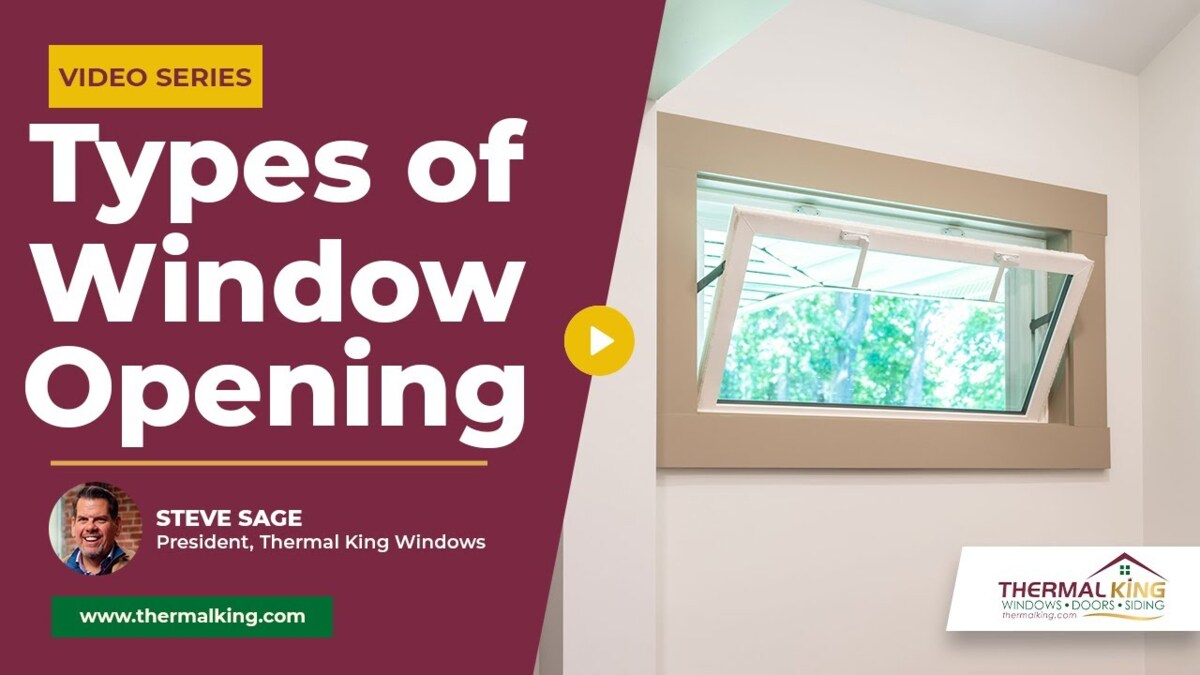
Functionality is evolving alongside aesthetics. Tilt-and-turn, awning, and pivot windows offer versatile ventilation options while maintaining sleek designs. These operable windows can be strategically placed to optimize airflow and natural cooling, reducing dependence on mechanical ventilation. In addition to their practical benefits, these innovative designs often incorporate advanced materials and technologies, such as low-emissivity glass and thermal breaks, which enhance energy efficiency and contribute to sustainable building practices.
In commercial buildings, large operable windows are being used to promote natural ventilation and improve indoor air quality, aligning with health-focused building standards. This trend is particularly significant in urban environments, where fresh air can be scarce. By integrating operable windows into the design, architects are not only enhancing the comfort of occupants but also fostering a connection to the outdoors, which has been shown to improve mood and productivity. Furthermore, the integration of smart window technologies, such as automated opening mechanisms that respond to temperature and humidity levels, is paving the way for even greater efficiency and user control in managing indoor climates.
Blending Indoor and Outdoor Living Spaces
Modern lifestyles increasingly value seamless transitions between indoor and outdoor environments. Window designs are central to achieving this integration.
Sliding and Folding Glass Doors
Sliding and folding glass doors function as expansive windows that open entire walls to patios, decks, or gardens. These systems create flexible living spaces that can be opened up during pleasant weather or closed off for insulation and security.
The use of large, multi-panel glass doors has become a hallmark of contemporary residential design, fostering a connection with nature and expanding usable living areas.
Window Walls and Glass Corners
Window walls—large expanses of glass that replace traditional walls—are gaining traction in both residential and commercial architecture. Glass corners, where two walls meet without a supporting post, create uninterrupted views and a sense of openness.
These designs require advanced engineering and high-performance glass to ensure structural integrity and energy efficiency, but the resulting aesthetic and experiential benefits are considerable.
Customization and Personalization
As homeowners seek to express their unique tastes, customization in window design is becoming more accessible and popular.
Decorative Glass and Window Films
Decorative glass options such as frosted, stained, etched, or patterned glass allow for privacy without sacrificing light. Window films can add color, texture, or UV protection and can be applied post-installation, offering a cost-effective way to personalize windows.
Colorful Frames and Hardware
Gone are the days of standard white or wood-toned frames. Manufacturers now offer a broad palette of frame colors and finishes, from matte black to metallic hues, enabling windows to become bold design statements or subtle complements to a building’s style.
Custom hardware such as handles and locks also contribute to the overall look and feel, combining functionality with aesthetic appeal.
Conclusion
Window design trends in 2026 reflect a holistic approach that balances beauty, performance, and technology. Energy-efficient materials and glazing, expansive glass surfaces, smart window technologies, and innovative shapes are shaping the future of architectural design. The emphasis on sustainability, natural light, and seamless indoor-outdoor connections aligns with contemporary values and lifestyles.
For homeowners, architects, and builders, staying informed about these trends is essential to creating spaces that are comfortable, efficient, and visually striking. As window technology and design continue to evolve, the possibilities for enhancing living and working environments are virtually limitless.