
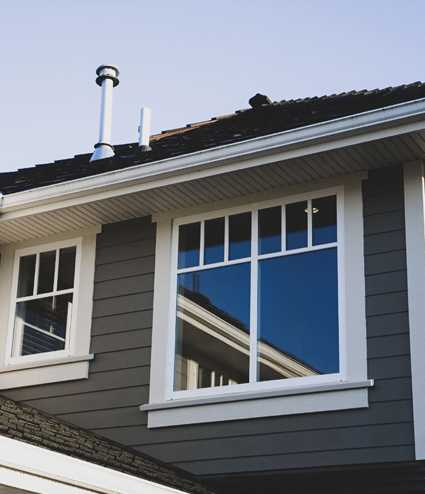
Window seals play a crucial role in maintaining the integrity of your home, both in terms of energy efficiency and protection against environmental factors. When window seal failure occurs, it can lead to numerous complications, including the potential for mold growth. Understanding the risks associated with window seal failure and the associated solutions is vital for maintaining a healthy living environment.
Understanding Window Seal Failure
Window seal failure refers to the breakdown of the seal that holds the glazing units in place. This failure can result in foggy or cloudy windows, reduced insulation properties, and increased susceptibility to water infiltration. To effectively address this issue, it’s essential to recognize both its definition and the underlying causes.
What is Window Seal Failure?
In essence, window seal failure occurs when the seal that keeps moisture and air trapped between dual or triple-pane windows fails. This can lead to a gap that allows air and moisture to enter the space between the panes, resulting in condensation, fogging, or the development of water stains. Window seal failure not only hampers the overall efficiency of windows but can also disrupt indoor comfort levels. Moreover, if left unchecked, it can lead to more significant issues such as mold growth, which can pose health risks to inhabitants and lead to costly repairs.
Causes of Window Seal Failure
There are several contributing factors that can lead to window seal failure. Some of the most common include:
- Aging seals: Over time, seals can deteriorate due to exposure to UV light, temperature fluctuations, and natural wear and tear.
- Improper installation: If a window is not installed correctly, stress can be placed on seals, leading to their eventual failure.
- Physical damage: Impact from debris or severe weather events can compromise seals.
Understanding these causes is the first step towards preventing seal failure in windows throughout the home. Additionally, environmental factors such as humidity levels and the geographic location of a home can also play a significant role in the longevity of window seals. For instance, homes in coastal areas may experience more rapid seal degradation due to salt air and moisture, while those in regions with extreme temperature variations may see seals fail more quickly due to the constant expansion and contraction of materials.
Regular maintenance and inspections can help homeowners identify potential issues before they escalate. Simple measures such as cleaning window frames, checking for signs of moisture intrusion, and ensuring proper drainage around windows can significantly extend the life of window seals. Furthermore, advancements in window technology, such as the use of more durable materials and improved seal designs, are helping to mitigate the risk of seal failure, making it essential for homeowners to stay informed about the options available to them.
The Connection Between Window Seal Failure and Mold
When window seals fail, the consequences extend beyond just compromised visibility. The introduction of moisture into the window structure creates ideal conditions for mold growth, which poses health risks and damages property. In fact, the presence of mold can lead to a range of health issues, including respiratory problems, allergic reactions, and even more severe conditions for those with compromised immune systems. This makes it crucial for homeowners to be vigilant about maintaining their windows and addressing any signs of seal failure promptly.
How Does Mold Grow?
Mold spores are present in virtually every environment, and they can become problematic when they encounter the right conditions. To flourish, mold needs moisture, warmth, and organic material to feed on. In households, organic materials can include wood, drywall, and even dust. When window seal failure occurs, moisture builds up in the space between window panes, creating a breeding ground for mold. Additionally, the warmth generated from sunlight hitting the glass can further accelerate mold growth, especially in poorly ventilated areas. This combination of factors can turn a minor issue into a significant problem if left unchecked.
Why is Window Seal Failure a Risk for Mold?
Window seal failure creates a direct pathway for moisture. This means that once water penetrates the space and condenses, it can easily seep into the surrounding materials, leading to increased humidity levels. The combination of trapped moisture and humidity can escalate into an environment ripe for mold growth. It’s vital for homeowners to recognize the signs of seal failure and take preventative measures to mitigate these risks. Regular inspections of window seals, especially after severe weather or temperature fluctuations, can help identify potential issues early. Furthermore, investing in high-quality window materials and sealants can significantly reduce the likelihood of seal failure, ultimately protecting both the home and its inhabitants from the dangers of mold proliferation.
The Health Risks Associated with Mold
Exposure to mold can lead to various health issues, making it essential to address any mold growth as quickly as possible. Understanding both short-term and long-term health effects can help motivate prompt action. Mold thrives in damp, warm environments and can often go unnoticed until it has spread significantly, which is why awareness and early detection are key in preventing health complications.
Short-term Health Effects of Mold Exposure
In the short term, exposure to mold can trigger a range of allergic reactions and respiratory issues. Symptoms may include:
- Runny or stuffy nose
- Itchy or red eyes
- Skin rashes
- Coughing or wheezing
Individuals with pre-existing respiratory conditions, such as asthma, may experience exacerbated symptoms, making it crucial to address mold growth as soon as possible. Additionally, even those without prior health issues can find themselves experiencing unexpected reactions, as mold spores can irritate the mucous membranes and lead to discomfort. The presence of mold can also affect sleep quality, as nighttime coughing or nasal congestion can disrupt rest, further impacting overall health and well-being.
Long-term Health Consequences of Mold Exposure
Chronic exposure to high levels of mold can lead to more severe health issues. Long-term consequences may include:
- Development of asthma in healthy individuals
- Increased risk of respiratory infections
- Neurological symptoms such as memory loss or confusion
Because of these serious health risks, prompt identification and remediation of mold growth are essential for everyone in the household. Moreover, prolonged exposure can lead to hypersensitivity pneumonitis, a condition that can cause persistent lung inflammation and damage. The implications of mold exposure are not limited to physical health; mental health can also be affected, as the stress of dealing with mold-related issues can lead to anxiety and depression. Understanding the full scope of mold’s impact on health can empower individuals to take necessary precautions and seek professional help when needed.
Preventing Window Seal Failure and Mold Growth
The good news is that many strategies can effectively prevent window seal failure and the subsequent risk of mold growth. A proactive approach to maintenance can save homeowners time, money, and health risks down the road.
Regular Maintenance and Inspection
Conducting regular inspections of windows is key to catching any early signs of seal failure. Homeowners should look for:
- Condensation between window panes
- Visible signs of moisture on window frames
- Peeling paint or other signs of deterioration
If any of these issues are detected, taking immediate action can prevent more significant problems. Simple maintenance tasks like cleaning the window frames and ensuring proper drainage around the exterior can also go a long way in preserving window integrity. Additionally, homeowners should consider checking the caulking and weather stripping around windows, as these components can wear down over time and may need to be replaced to maintain a tight seal. Regularly scheduled maintenance not only enhances the longevity of windows but also contributes to overall energy efficiency, reducing heating and cooling costs.
Choosing the Right Materials for Window Seals
When selecting windows, choosing high-quality materials is critical. Advanced sealants and low-E glass windows provide improved insulating properties and tend to withstand the test of time better than cheaper options. Investing in good quality windows can significantly reduce the risk of seal failure and promote a healthier indoor environment. Furthermore, homeowners should consider the climate in their area when selecting window materials. For instance, regions with high humidity levels may benefit from windows designed specifically to resist moisture accumulation, while those in colder climates might prioritize thermal insulation. Understanding the specific needs of their environment can empower homeowners to make informed decisions that enhance both comfort and durability.
Solutions for Window Seal Failure
Despite efforts to prevent seal failure, homeowners may still encounter issues. It’s essential to know your options for remediation effectively.
Repairing or Replacing Window Seals
If window seal failure is detected early, repairing the seals could be a viable option. Depending on the severity of the failure, a window replacement may be necessary to achieve optimal performance. Consulting a qualified contractor will help homeowners decide the most effective solution for their specific situation. It’s also important to consider the type of windows installed; double or triple-pane windows may offer better insulation and resistance to seal failure compared to single-pane options. Furthermore, homeowners should be aware of the signs of seal failure, such as condensation between panes or a noticeable drop in energy efficiency, as these can indicate underlying issues that need immediate attention.
Moreover, regular maintenance of windows, including cleaning and inspecting the seals, can extend their lifespan and prevent costly repairs down the line. Homeowners should also consider the environmental factors that can contribute to seal failure, such as extreme temperatures or high humidity levels, and take steps to mitigate these risks. By being proactive and informed, homeowners can not only protect their windows but also enhance the overall energy efficiency of their homes, leading to long-term savings on utility bills.
If you think your window seals may have failed – contact us today!