
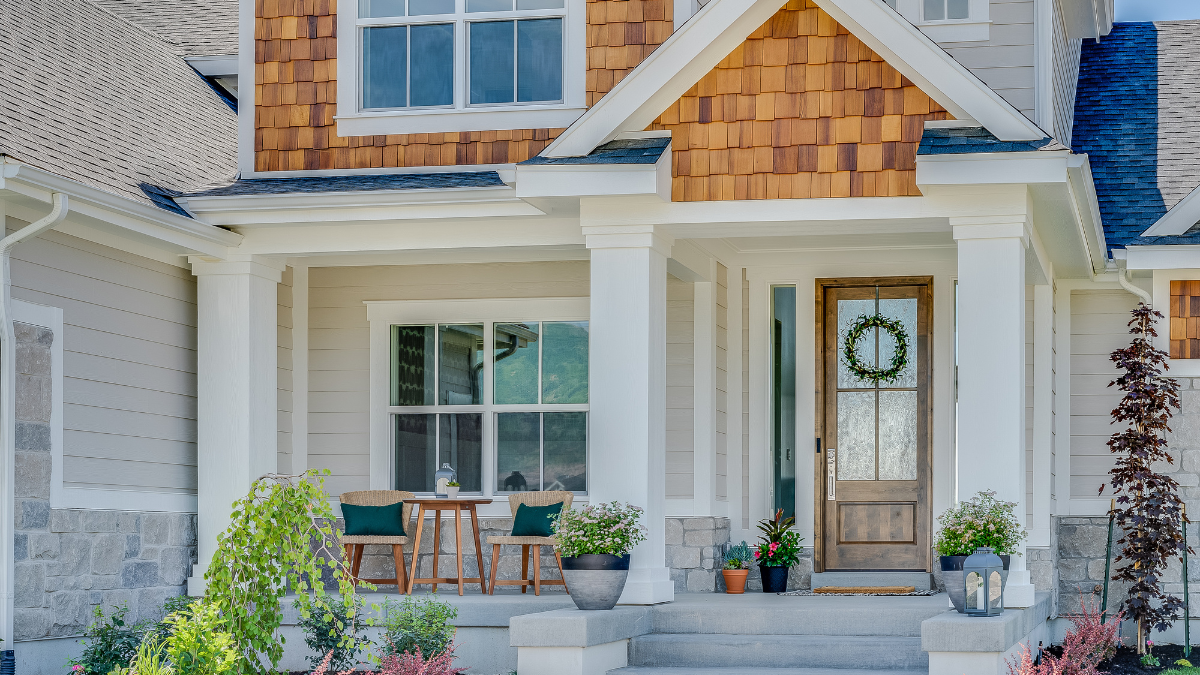
The front door is more than just an entryway; it’s the first impression your home makes on visitors and potential buyers. In the competitive real estate market, curb appeal can significantly influence a property’s value and how quickly it sells. According to a recent National Association of Realtors (NAR) report, homes with strong curb appeal can sell up to 7% faster and command higher offers. One of the simplest yet most impactful ways to boost curb appeal is by updating or upgrading your front door.
At Thermal King, we’ve helped thousands of Kansas City area homeowners choose the best sliding doors for their home and budget. This article explores the latest front door trends that not only enhance your home’s aesthetic but also improve its resale value. From color and material choices to smart technology and architectural styles, discover how to make your front door a standout feature that attracts buyers and elevates your home’s marketability.
Choosing the Right Front Door Material
The material of your front door plays a crucial role in both appearance and durability. It also affects maintenance requirements and energy efficiency, all of which buyers consider when evaluating a home.
Fiberglass: Durability Meets Design Flexibility
Fiberglass doors have surged in popularity due to their resilience and low maintenance. Unlike wood, fiberglass resists warping, cracking, and rotting, making it ideal for regions with extreme weather conditions. Advances in manufacturing allow fiberglass doors to mimic the look of wood grain convincingly, offering aesthetic appeal without the upkeep.
Moreover, fiberglass doors provide excellent insulation, helping improve energy efficiency—a key selling point for modern homes. Many models come with reinforced cores and weatherstripping, reducing drafts and lowering energy bills.
Steel: Security and Modern Appeal
Steel doors are favored for their strength and security features. They often come pre-finished in a variety of colors and styles, including smooth or textured surfaces. Steel doors are particularly popular in urban settings where security concerns are higher.
While steel doors may lack the warmth of wood, they can be enhanced with decorative glass panels or sidelights to soften their appearance. They also offer good insulation when paired with foam cores, contributing to energy savings.
Color Trends That Make a Statement
Color is one of the most straightforward ways to refresh your front door and make it pop. The right hue can complement your home’s exterior and create a welcoming vibe.
Bold and Vibrant Colors
In recent years, bold colors like deep reds, navy blues, and emerald greens have become favorites among homeowners looking to make a strong first impression. These hues convey confidence and personality, helping a home stand out in a neighborhood.
For example, a bright red door is often associated with good luck and hospitality, making it a popular choice in many cultures. Navy blue, on the other hand, exudes sophistication and pairs well with neutral exteriors like gray or beige.
Earthy and Muted Tones
For those who prefer subtlety, earthy tones such as olive green, taupe, and charcoal gray offer a modern yet understated look. These colors blend seamlessly with natural surroundings and are especially popular in homes with craftsman or rustic architectural styles.
Muted colors also tend to age well, maintaining their appeal over time without appearing dated. This longevity is a plus for resale value, as prospective buyers appreciate timeless aesthetics.
Two-Tone and Ombre Effects
Creative homeowners are experimenting with two-tone doors or ombre finishes to add depth and visual interest. For instance, painting the door frame a contrasting color or using a gradient effect can create a unique focal point without overwhelming the overall design.
These artistic approaches are gaining traction in trendy urban neighborhoods and among buyers seeking homes with distinctive character.
Incorporating Glass and Decorative Elements
Adding glass panels or decorative accents to a front door can dramatically enhance its appeal by increasing natural light and creating a sense of openness.
Frosted and Textured Glass for Privacy and Style
Glass inserts come in a variety of styles, from clear to frosted or textured. Frosted and patterned glass options provide privacy while allowing light to filter into the entryway, brightening the interior space.
Decorative glass with geometric or floral patterns can add an artistic touch, complementing both traditional and contemporary home designs. These details often catch the eye of buyers, suggesting a thoughtfully designed home.
Transom Windows and Sidelights
Transom windows above the door and sidelights flanking it are architectural features that enhance the front entrance’s grandeur. These elements not only increase curb appeal but also improve natural lighting inside the foyer.
Modern transoms often feature sleek, minimalist designs, while sidelights can be customized with matching glass patterns to create a cohesive look. Including these features can elevate a home’s perceived value by adding sophistication and charm.
Smart Front Door Technology
Technology integration is a growing trend in home design, and front doors are no exception. Smart locks, video doorbells, and automated lighting systems are increasingly popular among buyers who value convenience and security.
Smart Locks for Enhanced Security
Smart locks allow homeowners to control access remotely via smartphone apps, eliminating the need for physical keys. Features such as temporary access codes and activity logs provide added security and flexibility, appealing to tech-savvy buyers.
Installing a smart lock can also be a selling point, as it signals a modern, secure home. According to a 2023 survey by the National Association of Home Builders, homes equipped with smart home features, including smart locks, can see a price premium of up to 5%.
Video Doorbells and Security Cameras
Video doorbells with two-way audio and motion detection offer peace of mind by allowing homeowners to monitor their front door remotely. These devices deter package theft and unwanted visitors, making them highly desirable in urban and suburban markets alike.
Integrating video doorbells with smart locks creates a seamless security system that enhances the overall appeal and functionality of the front entrance.
Automated Lighting for Safety and Ambiance
Motion-activated or app-controlled lighting around the front door improves safety by illuminating pathways and deterring intruders. Additionally, well-designed lighting highlights architectural features and landscaping, boosting curb appeal during evening hours.
Warm LED lights are popular for creating inviting entryways, while color-changing options allow homeowners to customize the ambiance for holidays or special occasions.
Architectural Styles and Customization
The front door should harmonize with the home’s architectural style to create a cohesive and attractive exterior. Customization options allow homeowners to tailor their doors to reflect personal taste and regional trends.
Modern Minimalism
For contemporary homes, sleek doors with clean lines, minimal hardware, and matte finishes are in vogue. Materials like steel or fiberglass in solid colors complement modern architecture’s emphasis on simplicity and function.
Flush doors without panels or glass inserts create a streamlined look that appeals to buyers seeking a minimalist aesthetic.
Craftsman and Traditional Styles
Craftsman-style homes benefit from doors with rich wood tones, divided light glass panels, and decorative molding. These details highlight artisanal craftsmanship and add warmth to the facade.
Traditional homes often feature paneled doors with classic hardware finishes like oil-rubbed bronze or antique brass, reinforcing a timeless appeal.
Custom Door Designs
Custom doors allow for unique shapes, sizes, and decorative elements such as wrought iron grilles or hand-carved details. While more expensive, custom doors can significantly boost a home’s character and value, especially in upscale markets.
Collaborating with a skilled craftsman or designer ensures that the door complements the home’s style and stands out as a signature feature.
Maintenance and Longevity Considerations
While style and technology are important, the durability and maintenance requirements of a front door also affect its long-term value and appeal.
Weather Resistance and Energy Efficiency
Front doors must withstand exposure to sun, rain, wind, and temperature fluctuations. Materials like fiberglass and steel offer superior weather resistance compared to untreated wood. Proper sealing and weatherstripping prevent drafts and moisture intrusion, enhancing energy efficiency.
Energy-efficient doors with insulated cores can reduce heating and cooling costs by up to 15%, an attractive feature for eco-conscious buyers.
Regular Upkeep and Repairs
Wood doors require periodic staining or painting to maintain their appearance and protect against rot. Fiberglass and steel doors typically need only occasional cleaning and inspection for dents or scratches.
Maintaining hardware such as hinges, locks, and handles ensures smooth operation and security. Buyers often notice well-maintained doors as a sign of overall home care.
Conclusion: Investing in Your Front Door Pays Off
Updating your front door is a strategic investment that enhances curb appeal, boosts resale value, and improves your home’s security and energy efficiency. Ultimately, the front door sets the tone for the entire home – making it a critical element in creating lasting impressions and maximizing your property’s value.
Contact the experts at Thermal King today to find your perfect front door.